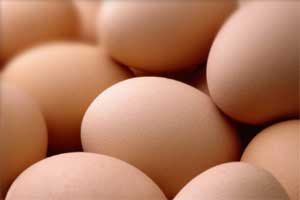
An egg is actually 3 separate individual
foods, the whole egg,the yoke and the egg white, each one having its
unique distinctive dietary profile.
A whole egg is really a high-fat, high-cholesterol, high-quality protein
food packed within a high-calcium shell which can be grounded and
included in many recipes. Those proteins inside the eggs, having
adequate levels of all the crucial amino acids, are generally 99%
digestible, a norm in which all other proteins are usually evaluated.
The egg white is mostly a high-protein, low-fat food having hardly any
cholesterol. The main essential vitamin is riboflavin (vitamin B2), an
obvious supplement that provides egg white a rather greenish cast.
Uncooked egg whites consist of avidin, an antinutrient which binds
biotin a B complex vitamin previously referred to as vitamin H, into an
insoluble substance. Cooking the egg inactivates avidin.
An egg yolk is a high-fat, high-cholesterol, high-protein diet, an
excellent source of vitamin A produced from carotenes consumed through
the laying hen, plus vitamin D, B vitamins, and heme iron, the sort of
iron most easily absorbed by your body.
1 large egg has 5g fat (1.5 g saturated fat), 212 mg cholesterol, 6 g
protein, 950 IU vitamin A (19 percent of the RDA for a man, 23.7 percent
of the RDA for a woman), and 0.72 mg iron (4.8 percent of the RDA for a
woman of childbearing age).
One big egg white has 4g protein, but no Fat or cholesterol. One big egg
yolk has 6g fat (1.7 g saturated fat), 272 mg cholesterol, 3 g protein,
and 970 IU vitamin A (19.4 percent of the RDA for a man, 24 percent of
the RDA for a woman).
The most healthy method to serve egg is by using more whites and less
yolks to reduce the fat and cholesterol per serving. Those on
controlled-fat, low-cholesterol diet plan or low-protein diet regime
ought to leave out this food.

 An egg is actually 3 separate individual
foods, the whole egg,the yoke and the egg white, each one having its
unique distinctive dietary profile.
An egg is actually 3 separate individual
foods, the whole egg,the yoke and the egg white, each one having its
unique distinctive dietary profile.